Livestock Shelter and Hay Storage Buildings in the Treasure Valley
Oct 11, 2026 · 5 min read
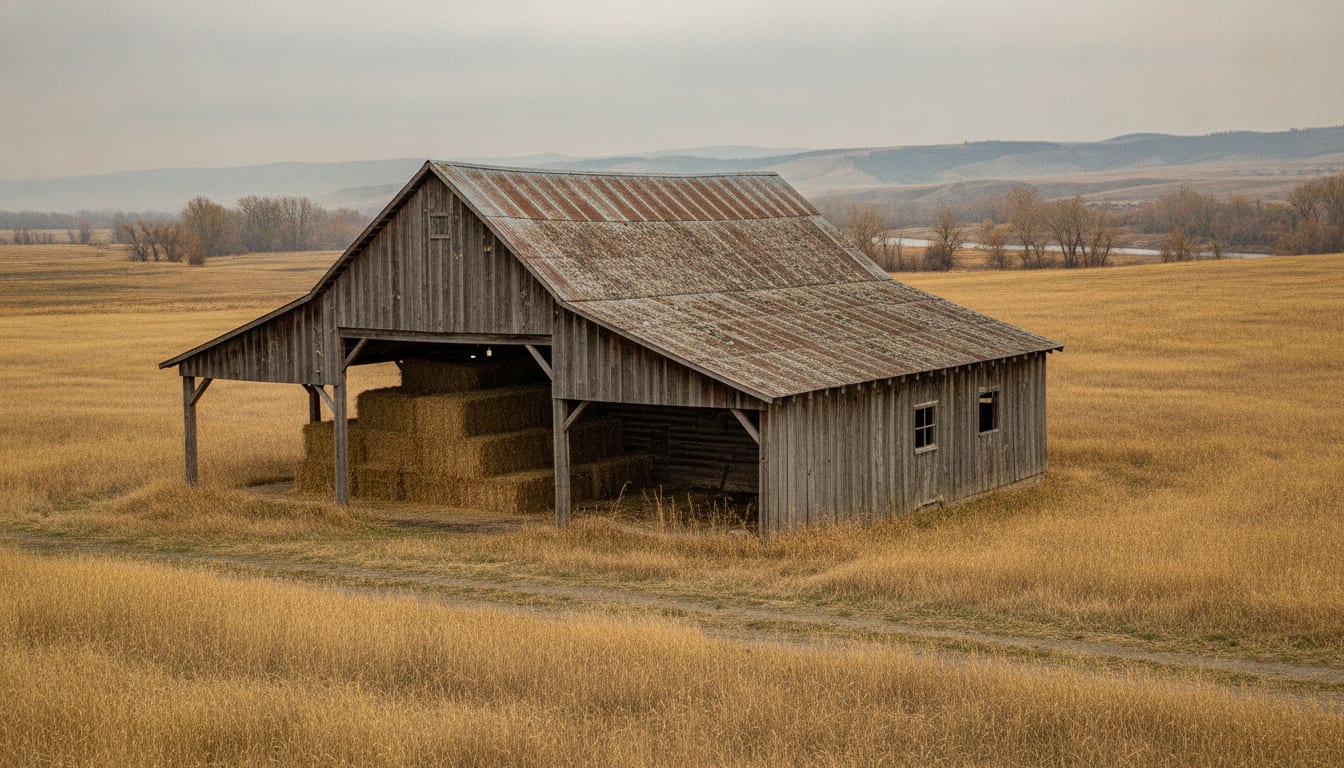
Winter has a way of showing up before you're ready for it. If you're running livestock on acreage anywhere from Melba to Middleton, now is the time to look hard at your shelter and hay storage situation, not in December when the ground is frozen and your contractor's schedule is full. BelAir Construction is based in Nampa and builds pole barns, livestock shelters and hay storage buildings across Canyon County and the surrounding Treasure Valley towns.
Why fall is the right time to sort this out
Hay that sits uncovered or on bare ground loses quality fast, especially once fall rain and early frost show up. Livestock need a dry, windbreak shelter well before the first real cold snap, not a scramble in January. Building in fall also means you're working with better ground conditions and a contractor who isn't buried under spring projects. If you wait until the snow flies, you're feeding animals in the weather you were trying to avoid.
What a good livestock shelter actually needs
It doesn't need to be fancy. It needs a solid roof, a windbreak on the prevailing side, good drainage so animals aren't standing in mud, and enough clearance and airflow that the building doesn't trap moisture. Post-frame construction — what most people call a pole barn — is the standard answer for this out here. It goes up faster than stick-built, costs less in materials for the same footprint, and holds up well to Idaho wind and snow load when it's built right.
Hay storage: separate from livestock, or combined?
That depends on your setup. Some owners want hay and animals under one roof for convenience. Others keep hay in a separate bay or building, partly for fire safety and partly to keep dust and loose hay out of the area where animals are housed. Clete can walk the site with you and talk through what makes sense for your herd size, your hay volume, and how you actually move feed day to day.
Restoring an old barn instead of replacing it
A lot of acreage in Canyon County already has a barn standing on it — maybe from a previous owner, maybe decades old. Before you assume it needs to come down, it's worth having it looked at. Old barn timber is frequently stronger and better seasoned than anything available new, and restoring a structure that's still sound is often the more sensible move than starting from scratch. BelAir does barn renovation and repair — re-roofing, re-siding, structural fixes, new slabs and doors — and will tell you honestly if a building is worth saving or if it's past that point. Reclaimed barn timber also shows up in other projects; it's a good option for people who want character and durability without paying for new milled lumber.
Site work comes first
Before any post goes in the ground, the site has to be right. That means grading, drainage correction so water moves away from the building pad, and sometimes lot clearing or access driveway prep if the spot you want is overgrown or hard to reach with equipment and trucks. BelAir handles excavation and site work as part of the same job, which saves you from coordinating a separate excavation outfit and a separate barn builder.
Pole barn vs. other options
Pole barns aren't the only answer, but for shops, hay storage and livestock shelters on Treasure Valley acreage, they're usually the most practical one — fast to build, flexible on size, and reasonably priced to maintain over the years. If your project has different needs, like a fully insulated shop or a structure tied into an existing building, that's worth discussing directly, since the right structure depends on what you're using it for.
One call for the whole property
This is also a good time to mention: if you've got a running list beyond the barn — a gate that won't latch, a fence line that needs repair, a door on the old barn that's dragging — send it all over at once. BelAir is a jack-of-all-trades operation, and handling the small stuff in the same visit as the bigger project is usually cheaper and simpler than calling four different people.
Clete usually gets out to look at a job within 5 to 7 days, and most work starts inside the month — but with hay storage, sooner is better. Waiting until the ground freezes limits what can get done before winter feeding starts.
Frequently Asked Questions
How much notice do I need to give before winter to get a hay storage building up?
Clete usually gets out to look at a job within 5 to 7 days of a call, and most work starts inside the month after that. Given that timeline, fall is really the last comfortable window before weather and ground conditions start working against you.
Is it better to build a new pole barn or fix up an old one on my property?
That depends on the condition of what's standing. A lot of old barns in Canyon County are structurally sound and built with timber better than what's sold new today. Clete can look at the building and give you an honest read on whether restoration or replacement makes more sense for your situation.
Do you handle the site prep, or just the building itself?
Both. BelAir does the grading, drainage correction, and access prep as part of site work, so the pad is ready before the barn goes up. That keeps the whole project under one contractor instead of coordinating separate crews.
Want a real number on your job?
Clete comes out, looks at it and quotes it properly. Send the whole list.