Pole Barns in Parma, ID for Hay and Livestock Use
Oct 10, 2026 · 4 min read
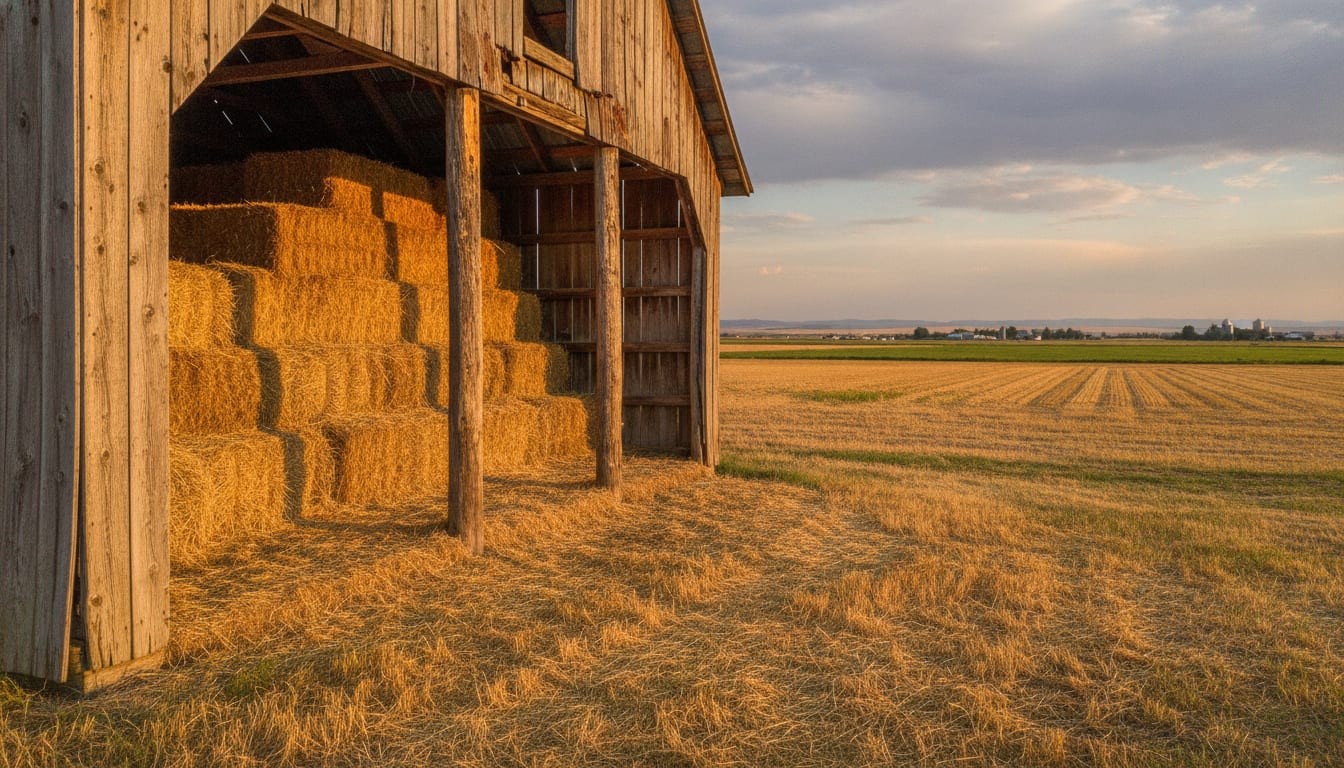
Parma sits out where Canyon County turns agricultural fast. Drive a few minutes past town and you are into hay ground, pasture and small acreages that need real outbuildings, not a prefab kit shed from a big box store. If you are looking at pole barns in Parma ID for hay storage or livestock, here is how to think about it before you call anyone.
Why Pole Barns Work for Hay and Livestock
Post-frame construction — what most people call a pole barn — is the right call for farm buildings for a few plain reasons. It goes up faster than stick framing, it gives you wide open clear-span interiors without a forest of support posts getting in the way of equipment or stalls, and it costs less to heat and light because you are not paying for finish you do not need. For hay, that clear span matters a lot. You want to stack bales efficiently and move a tractor or skid steer in and out without threading a needle.
For livestock shelters, a pole barn gives you flexibility. Open one or two sides for airflow and easy cleaning, or close it in more if you are dealing with hard winter wind. Either way, the structure itself is simple and durable — it is the layout and ventilation that take some thought, and that is worth talking through before anything gets built.
Sizing It for What You Actually Run
A barn sized for five horses looks different from one sized for fifty round bales and a couple of head of cattle. Think about equipment access, stall count if you need stalls, hay storage volume for a full season, and whether you will want to add on later. It is a lot cheaper to plan for an addition now than to tear into a finished building in three years.
Site Work Comes First
Before any post goes in the ground, the site has to be right. That usually means grading, a proper building pad, and drainage correction so water runs away from the structure instead of pooling under it. On acreage, access matters too — a driveway or lot clearing to get equipment and trucks to the building site without tearing up the whole property. This is excavation and site work, and it is not a step worth skipping to save time, because a barn built on a bad pad will settle and cause problems for years.
New Build or Renovate What's Standing
Not every property needs a brand new barn. A lot of older barns around Parma and Wilder are structurally sound and worth restoring instead of tearing down — new roofing, re-siding, a new slab, or just squaring up doors and framing that have shifted over the decades. Reusing reclaimed barn timber in the repair is often the better choice too, both because it matches the existing structure and because it is usually sturdier than anything sold new. BelAir works to a real budget on farm buildings the same as anywhere else, and that sometimes means saving what is already there rather than starting over.
One Call for the Whole Property
Acreage owners rarely have just one project. Maybe it is the barn, plus a sagging gate, plus a fence line that needs repair, plus a shop you have been meaning to add. BelAir is a general contractor and jack of all trades, so send the whole list rather than calling around for four different specialists. The same goes for folks in Melba, Marsing and Wilder looking at outbuildings and shops, or anyone in Middleton or Emmett with a handyman list that has been sitting too long.
What Happens Next
Clete comes out and looks at the site and the job — usually within 5 to 7 days — and quotes it properly from there. A number given over the phone without seeing the ground is either padded to be safe or just wrong, so there is no estimate given sight-unseen. The visit costs you nothing but time.
Frequently Asked Questions
How big of a pole barn do I need for hay and livestock?
That depends on how much hay you store in a season, how many head you run, and whether you want room for equipment too. Clete would need to walk the site and talk through what you are using it for before sizing anything.
Can you build on raw acreage that has no driveway or pad yet?
Yes — that falls under excavation and site work. Grading, drainage correction, a proper building pad and access prep usually come before the barn itself goes up.
Is it better to renovate an old barn or build new?
Often the existing structure is worth saving, especially if the old timber is solid. Clete can look at what's standing and tell you honestly whether repair or rebuild makes more sense for your situation.
Want a real number on your job?
Clete comes out, looks at it and quotes it properly. Send the whole list.