Restoring an Old Barn Instead of Replacing It in Canyon County
Oct 12, 2026 · 4 min read
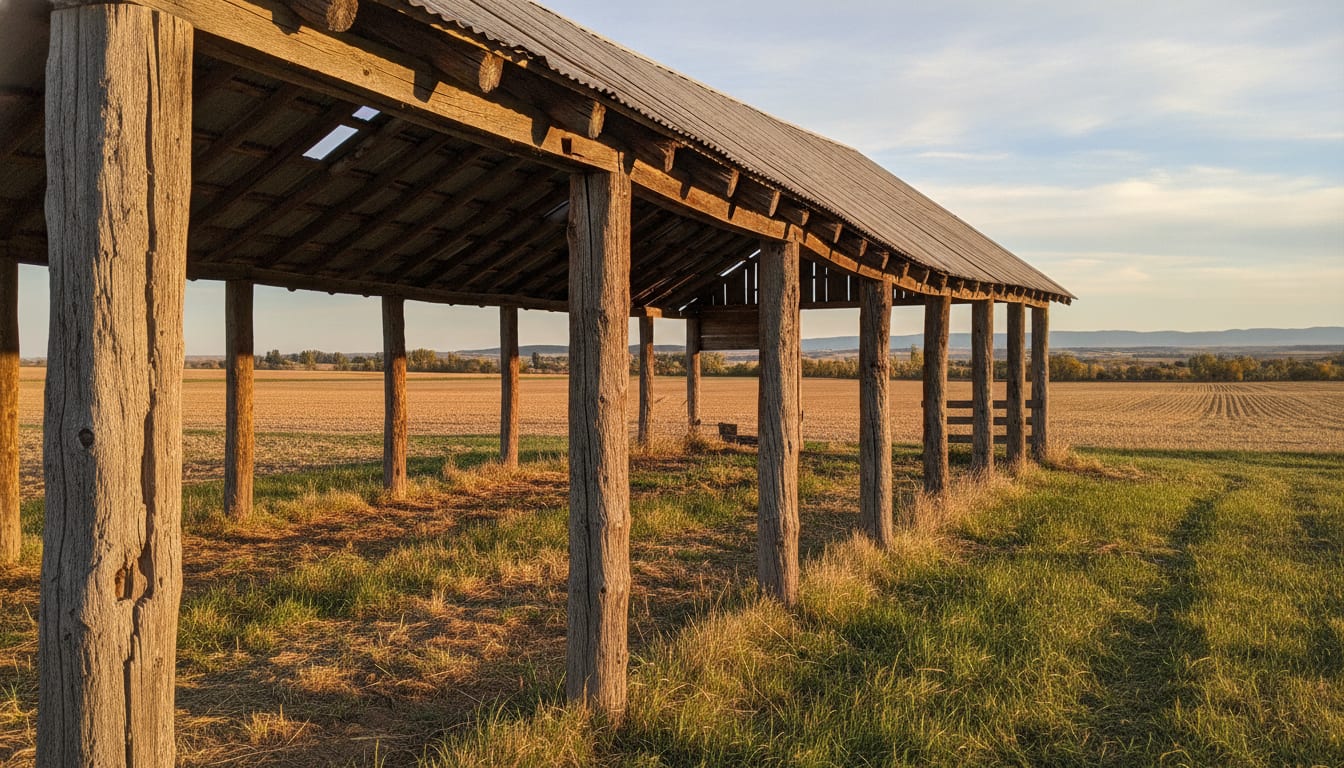
Drive out past Caldwell or Wilder toward Marsing and you'll pass a dozen old barns still standing, some leaning a little, most of them still useful. Every year someone looks at one of those barns and asks whether it's worth saving or whether it makes more sense to knock it down and start over. The honest answer is: it depends on the barn.
Why restoration is worth considering first
Old barns in this part of Idaho were usually framed with timber you can't buy new anymore, at least not without paying a premium for reclaimed stock. Full dimension lumber, old-growth fir, hand-cut joinery — that material has already proven it can stand up to forty, sixty, eighty years of Treasure Valley weather. If the bones are sound, you're not starting from zero. You're working with something that's already earned its keep.
There's also the practical side. A barn that's structurally salvageable usually costs less to bring back than a full teardown and rebuild, though that's something Clete would need to confirm after walking the site, not something to assume. Reusing reclaimed barn timber in repairs or even in a new project on the same property is a genuine option too — not a downgrade, just a sensible use of good material that's already there.
What actually decides restore versus replace
A few things matter more than the others when you're sizing up an old barn:
The foundation and sill. If the bottom of the structure has rotted out from ground contact or years of standing water, that's the part that decides everything. A barn can have great timber up top and still be done for if the sill is gone.
The roof. Water getting in through a failing roof is the single biggest reason barns go from fixable to unfixable. If the roof has been leaking for years, check the framing underneath before deciding anything.
Lean and square. Some lean is normal and has been there for decades without getting worse. Lean that's actively progressing is a different problem.
What it needs to do next. A barn that just needs to store hay and shelter a few animals has a lower bar to clear than one you want to turn into a shop or event space.
This is where having someone look at it in person matters. Photos don't tell you whether a post is solid or just looks solid. Clete comes out, gets under the structure, checks the framing, and gives a straight answer about what's worth fixing and what isn't.
When replacement is the better call
Sometimes the honest answer is that restoration isn't the cheaper path. If the foundation is gone, if the frame has shifted past what bracing and sistering can fix, or if what you actually need is a bigger footprint than the old barn offers, a new post-frame building might serve you better long term. That's a real comparison worth having — pole barn vs. stick-built, new construction vs. restoration — and it's one Clete can walk through with you on site rather than guessing from a description.
One call for the whole property
Barn work rarely shows up alone. The same visit that looks at barn restoration often turns into a conversation about the access driveway, site grading and drainage correction around the building pad, or a new garage door for the equipment bay. If you've also got a punch list of smaller repairs around the house or outbuildings, send that over too — handling several things in one visit is more efficient than booking separate trips for each one.
BelAir Construction has been doing this kind of work out of Nampa since 1996, family owned and operated by Clete Miller, covering Nampa, Caldwell, Meridian, Boise, Eagle, Kuna, Star, Middleton, Melba, Wilder, Parma, Marsing and Emmett. Whether the barn's on five acres in Marsing or it's a shop and outbuilding project near Melba, the approach is the same: look at it in person, give a straight answer, and quote it properly rather than guessing a number over the phone.
Frequently Asked Questions
How do I know if my old barn is worth restoring?
It comes down to the foundation, the roof, and whether the lean is stable or progressing. Clete would need to look at the structure in person to give you a real answer — photos and descriptions only go so far.
Is restoring an old barn cheaper than building a new pole barn?
Often, but not always — it depends on how much of the original structure is salvageable. BelAir doesn't quote sight-unseen because a number given without a site visit is either padded to be safe or just wrong. The visit itself costs you nothing but time.
Can reclaimed barn timber be reused in other projects?
Yes, where it's sound. Old barn timber is often better material than what's sold new, and reusing it is a legitimate choice rather than a compromise. Whether a particular piece is reusable is something Clete can assess on site.
Want a real number on your job?
Clete comes out, looks at it and quotes it properly. Send the whole list.