What to Know Before Building a Pole Barn in Canyon County
Oct 8, 2026 · 5 min read
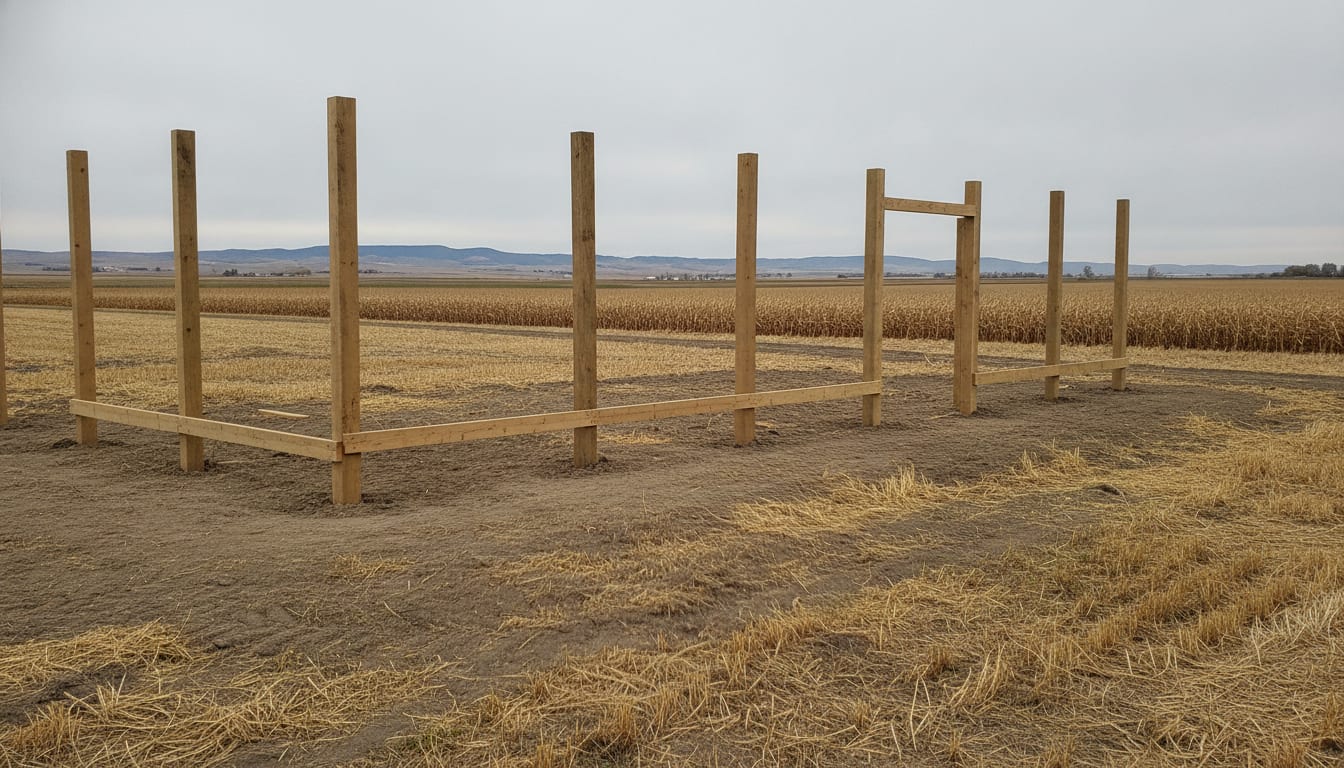
Fall is when a lot of Canyon County pole barn projects get planned, even if the posts don't go in the ground until winter or spring. If you've got acreage out past Nampa or Caldwell, or you're out in Middleton, Melba, Wilder, Parma or Marsing, now is the time to work through the decisions that actually drive how the project goes. Get the planning right in October and the build goes smoother in February.
Start With the Site, Not the Building
Before anyone talks post spacing or roof pitch, the ground needs attention. Canyon County and the surrounding counties vary a lot between a tight in-town lot and open acreage, and what's under the dirt matters as much as what goes on top of it.
Things worth sorting out before winter:
- Site grading and drainage correction on a new lot. Water needs somewhere to go that isn't your new slab. If the ground slopes toward where you want the barn, that gets fixed before you build, not after.
- Building pad prep for a detached shop. A pole barn still needs a proper, compacted pad. Skipping this step is how buildings settle unevenly a few years in.
- Lot clearing and access driveway prep. Can equipment and delivery trucks actually get to the site? Access gets overlooked until the day a concrete truck can't make the turn.
This is all excavation and site work, and it's worth doing deliberately rather than squeezing it in once the weather turns. Frozen or saturated ground makes grading harder and more expensive to get right.
What the Barn Is Actually For
A pole barn used for hay storage and a livestock shelter needs different things than one set up as a shop with a concrete floor and insulated bay for equipment. Decide the use first:
- Livestock shelter and hay storage — ventilation and keeping things dry matter more than finish work.
- Equipment or vehicle storage — floor load and door height become the priority.
- A shop with power and workspace — you're looking at insulation, electrical (which needs a licensed electrician), and likely a concrete floor.
- RV or boat cover — mostly about clearance height and door width.
Out around Melba and Parma, pole barn builds often start as one of these and grow into a second use a few years later. Building the shell a bit bigger or with an extra bay up front costs less than adding on later.
New Construction vs. Restoring What's Already There
Not every property needs a new barn. A lot of what's standing on older Canyon County properties, especially out past Caldwell toward Wilder and Marsing, is worth saving. Restoring an old barn instead of replacing it is often the better call structurally and financially — old barn timber is frequently heavier and better cured than anything you'd buy new, and reusing reclaimed barn timber in repairs or a new structure keeps that character instead of starting from scratch. Barn renovation work in Wilder and outbuildings and shops in Marsing come up often for exactly this reason. Clete can take a look and tell you honestly whether what you've got is a renovation candidate or past the point of saving.
Permits and Planning — Ask Early
Who files permit applications for a pole barn, and whether that differs by city or county, is a fair question — and it's one worth asking Clete directly rather than guessing, since it can vary by jurisdiction. The same goes for whether engineering or plans are needed for a particular size or use. Get this sorted in the planning stage, not after materials are ordered.
Why Fall Planning Makes Sense
Site work, grading, and permitting take time. Lining those up now means the ground is ready, materials are figured, and the actual framing can happen in winter or start first thing in spring without losing weeks to planning that should've happened months earlier. Clete usually gets out to look at a site within 5 to 7 days of a call, and most work starts inside the month — but a pole barn is exactly the kind of job where an early look pays off most.
One Call for the Whole Property
Pole barns rarely come alone. While Clete's out assessing the site, it's worth mentioning anything else on the property — a garage door that's sticking, a fence that needs repair, a deck that's seen better days. BelAir Construction is a general contractor and jack of all trades, so sending the whole list in one visit is cheaper and easier than calling back for each item separately.
Frequently Asked Questions
Do I need a permit to build a pole barn in Canyon County?
That depends on the size, use, and which jurisdiction the property sits in. It's worth asking Clete directly when he comes out, rather than guessing, since this varies by city and county.
Is it better to build new or restore an existing barn?
It depends on the condition of what's standing. A lot of older barns in Canyon County have timber and framing worth saving, and restoring can be the smarter option. Clete would need to look at it to say for sure.
How far in advance should I plan a pole barn build?
Fall is a good time to start planning for winter or spring construction, since site work and permitting take time to sort out. Clete is usually out to look at a job within 5 to 7 days of a call, with most work starting inside the month.
Want a real number on your job?
Clete comes out, looks at it and quotes it properly. Send the whole list.