
Garage Door Weather Sealing Before Winter in Nampa, ID
Oct 26, 2026 · 5 min read
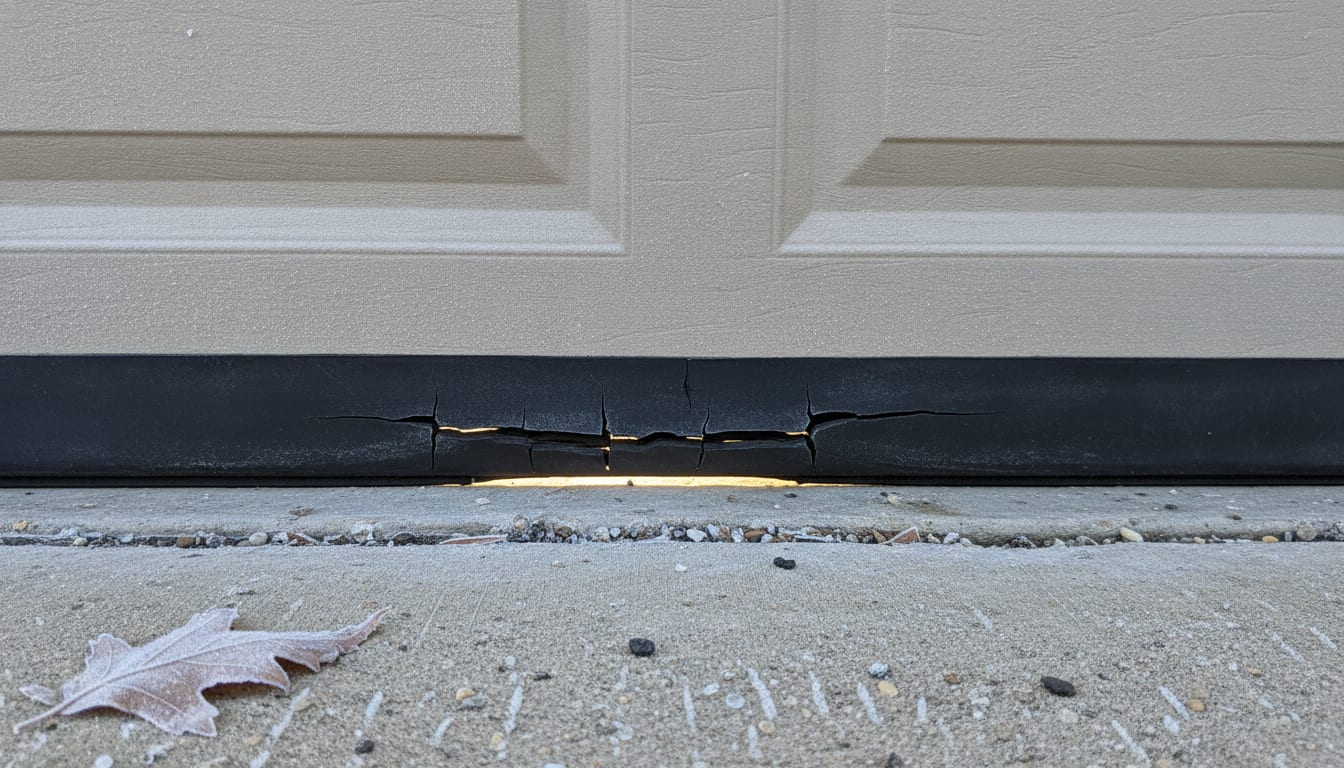
Once the mornings in Nampa start carrying that first real bite, it's worth a look at the garage door before freezing temps settle in for good. A garage door is the biggest moving opening on most houses, and it's usually the one that gets the least attention until something sticks, squeals, or lets a draft straight through into the garage and sometimes into the house above it.
Why the Garage Door Matters Once It Gets Cold
In the older parts of Nampa, a lot of garage doors have been through several winters, a few owners, and more than one quick fix. Out in the newer subdivisions to the south and east, the doors are younger but builder-grade, and that grade of weatherstripping and hardware tends to wear out right on schedule, usually right when you need it most. Either way, cold air finds the gaps. If there's a living space over or next to the garage, a bad seal means a colder room and a furnace working harder than it should.
What Weather Sealing Actually Checks
Sealing a garage door before winter isn't just one gasket at the bottom. There are a few places cold air and moisture get in:
Bottom Seal
The rubber astragal along the bottom of the door is the first thing to go. UV, gravel, and years of the door rolling over it will crack or flatten the rubber until it stops making contact with the slab. Once that happens, you'll see daylight under the door, and that's the same gap letting in cold air, dust, and the occasional mouse looking for somewhere warm.
Side and Top Seals
The vinyl or brush seals running up the sides and across the top of the frame dry out and shrink over time, especially on doors that get afternoon sun. Gaps here are less obvious than a gap at the bottom but let in just as much draft.
Panel Seams and Section Joints
On older sectional doors, the seams between panels can open up slightly as hinges wear and the door racks a little over the years. Not usually a big deal on its own, but combined with worn bottom and side seals it adds up.
Springs and Hardware — Why They're Part of a Fall Check
Weather sealing and hardware condition go together, because a door that isn't balanced or moving smoothly puts more strain on the new seals you just put in, and strain in cold weather is when springs tend to fail. A torsion or extension spring that's been stretching a little more each year because of rust or fatigue is more likely to let go on a frosty morning than a mild one — cold metal is less forgiving. Worth checking at the same time:
- Spring condition and tension — a spring under a lot of strain is not something to adjust yourself
- Cables and rollers for fraying or flat spots
- Track alignment, since a door fighting a bent track will chew through seals faster
- Hinges and rollers for stiffness in cold weather
Spring and cable work carries real risk — they're under heavy tension — so that's a job to have looked at rather than handled solo.
The Opener
Openers don't love the cold any more than people do. Before winter it's worth checking that the opener's force and limit settings are correct, since a door that's binding slightly in cold weather will trip the safety reversal more often or strain the motor. If the opener is older and already struggling, that's worth mentioning to whoever comes out, since it's often simpler to deal with alongside the seal and hardware work rather than as a separate call later.
A Jack-of-All-Trades Job, Not Four Separate Ones
Garage door sealing rarely shows up alone on a fall to-do list. It tends to sit next to a sticking exterior door, some trim that's pulling away from the siding, a soffit gap, or a fence gate that won't latch right. BelAir Construction is a general contractor and jack of all trades, so there's no need to call separate people for the garage door, the siding, and the handyman list. Send the whole list — it's genuinely cheaper to fix it all in one visit than to bring someone back four times for four line items.
Working to a Real Budget
Not every garage door seal job needs catalog parts. Depending on the door and the problem, a sensible repair with the right-fit seal or a reused section of hardware can do the job just as well as new. That's a real choice BelAir makes deliberately, not a downgrade, and nobody should feel awkward about asking for the budget-conscious option.
Covering Nampa and the Treasure Valley
BelAir Construction is based in Nampa, on Sunrise Rim Road, and works throughout Canyon and Ada counties — Caldwell, Meridian, Boise, Eagle, Kuna, Star, Middleton, Melba, Wilder, Parma, Marsing, and Emmett. If your town isn't listed here, it's worth asking — Clete can confirm whether it's in range.
Frequently Asked Questions
How do I know if my garage door needs new weatherstripping before winter?
Daylight visible under the door, a draft you can feel standing next to it, or rubber seals that look cracked or flattened are the usual signs. If you're not sure, it's worth having it looked at before the cold sets in rather than after.
Can I replace a garage door spring myself?
Springs are under heavy tension and cold weather makes them more likely to fail without warning, so that's not a DIY job. It's one of the things worth having checked alongside the weather sealing.
Do you only do garage doors, or can I add other jobs to the visit?
Garage doors are one of nine things BelAir handles, alongside handyman repairs, decks, siding, and more. Small jobs are welcome — send the whole list and it's usually cheaper to knock it all out in one visit.
Want a real number on your job?
Clete comes out, looks at it and quotes it properly. Send the whole list.